If you are deciding between waterfront and in-town living in New Rochelle, you are really choosing between two very different daily rhythms. One offers easy access to the shoreline, seasonal park life, and a more leisure-focused setting. The other puts restaurants, arts venues, and the train within a short walk. This guide will help you compare both so you can focus on the lifestyle that fits you best. Let’s dive in.
New Rochelle Lifestyle Basics
New Rochelle gives you more than one way to live well, and that is part of its appeal. In broad terms, waterfront living is concentrated at the south end of the city along Long Island Sound, especially around Hudson Park and Beach on Hudson Park Road.
In-town living is centered on downtown New Rochelle. The downtown core is anchored by the New Rochelle Public Library and Transit Center, and the area is known for a compact layout with restaurants, cafés, arts venues, parks, and transit close together.
Waterfront Living in New Rochelle
Waterfront living in New Rochelle is shaped by the shoreline and by access to Hudson Park and Beach. The city describes Hudson Park as its premier waterfront park, and the waterfront park system opens seasonally.
As of May 21, 2026, the city said all waterfront parks would be open seven days a week from June 27, 2026 through Labor Day on September 7, 2026. During that seasonal period, amenities include Hudson Beach admittance, outdoor showers, the Hudson Park Café, restrooms, and staffed parking lots.
What the Waterfront Feels Like
If you picture your free time around the water, this part of New Rochelle may stand out right away. Hudson Park includes a playground, bandshell, seating area, renovated bathhouse, and two bathing beaches.
The waterfront is also tied to seasonal events that bring people outdoors. The city connects the shoreline to Summer Sounds concerts, July 4 fireworks, the Lighted Boat Parade, and the Snapper Fishing Derby.
Waterfront Housing Options
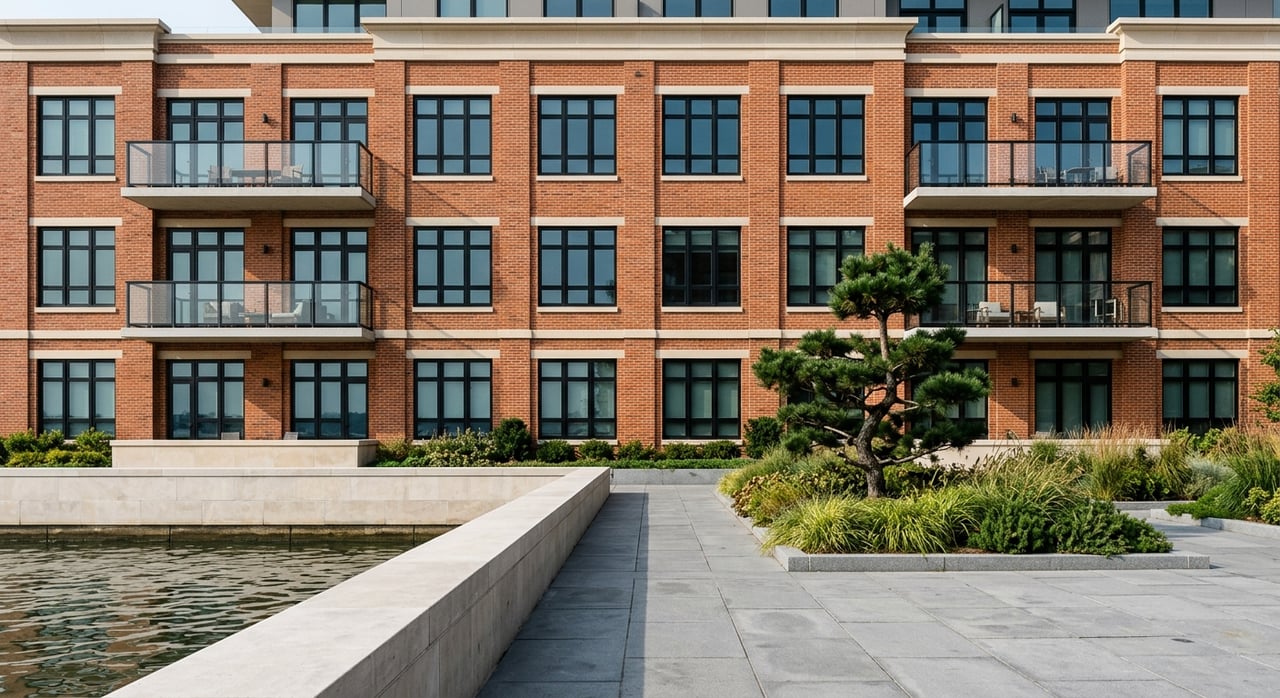
The housing mix near the water is evolving. The city approved Pratt Landing in 2025 as a waterfront project with more than 300 residential units, including 99 condominiums, along with retail, office, hotel space, parks, and expanded waterfront access.
At the same time, the city has described the waterfront as a place where one-of-a-kind homes ring the shoreline. That points to a mix of distinctive shoreline homes and newer mixed-use development rather than one single housing type.
Waterfront Convenience and Access
The tradeoff with waterfront living is usually transportation style. Based on the south-end location of Hudson Park, the city's waterfront park access details, and the summer service pattern for CircuitNR, the waterfront tends to be more car-, parking-, or shuttle-oriented than downtown.
For some buyers, that is a perfectly fair exchange for being near the water. If your priority is a scenic setting and outdoor recreation, the daily logistics may still feel worthwhile.
In-Town Living in New Rochelle
In-town living offers a different kind of convenience. Downtown New Rochelle is built around a compact, connected environment where daily errands, dining, and entertainment are often within a short walk.
The Downtown BID describes the area as easy to explore on foot. It highlights a wide mix of restaurants, cafés, arts venues, parks, and transit in close reach.
Why Downtown Feels More Walkable
If walkability matters to you, downtown has the clear edge. The Downtown BID cites Walk Score results of 98 out of 100 for Main Street and 89 out of 100 for downtown overall.
That matters in practical ways. You may be able to step out for coffee, dinner, a park visit, or a performance without planning around parking or a longer drive.
Downtown Housing Options
Downtown has a denser and more vertical housing profile than the waterfront. According to the city, the area combines newly built condominium towers, live/work lofts, turn-of-the-century apartment buildings, and some multi-family and single-family homes.
The Downtown BID adds that modern mid- and high-rise residential towers now share the skyline with historic architecture. The city also supports artist live/work housing in the downtown arts district, which adds another layer to the housing mix.
Downtown Commute Advantage
For many buyers, the biggest practical difference is the train. Downtown is anchored by the Transit Center and Metro-North’s New Haven Line, giving it the clearest rail advantage in New Rochelle.
The current MTA timetable lists New Rochelle on the New Haven Line. Metro-North says weekday peak headways are typically about 20 to 30 minutes, with off-peak and weekend service typically 30 to 60 minutes.
Comparing Daily Life
The choice between waterfront and in-town living often comes down to what you want your average weekday and weekend to look like. Both options can work well, but they support different routines.
Here is a side-by-side look at the main differences.
| Category | Waterfront Living | In-Town Living |
|---|---|---|
| Setting | Along Long Island Sound, especially near Hudson Park | Downtown core near the library and Transit Center |
| Lifestyle feel | Leisure-oriented and outdoor-focused | Walkable, connected, and convenience-focused |
| Housing character | Shoreline homes plus newer mixed-use and condo development | Condo towers, lofts, older apartment buildings, and some multi- and single-family homes |
| Parks and recreation | Beaches, bandshell, playground, seasonal waterfront events | Parks, community events, arts venues, and street-level activity |
| Dining and culture | More tied to seasonal waterfront activity | Stronger everyday access to restaurants, cafés, and arts programming |
| Commuting | More car-, parking-, or shuttle-oriented | Best access to Metro-North and the Transit Center |
Parks, Dining, and Events
Where you live can shape how you spend your free time. In New Rochelle, the waterfront and downtown each have a strong identity when it comes to amenities.
Waterfront Recreation and Seasonal Events
The waterfront is the stronger fit if you want beach access and outdoor gathering spaces close to home. Hudson Park offers a beach setting, a bandshell, and open areas that support a classic warm-weather routine.
Seasonal programming also adds to the draw. Summer Sounds concerts, July 4 fireworks, the Lighted Boat Parade, and the Snapper Fishing Derby help make the shoreline feel especially active during the summer season.
Downtown Dining and Culture
Downtown stands out for everyday variety. The BID points to restaurants, cafés, arts venues, and parks all within an easy walk, and city-backed programming strengthens that sense of activity.
Ruby Dee Park and Library Green host community events, and the downtown Summer Sizzle concert series at Ruby Dee Park features free performances along with nearby restaurants and themed events. The city has also promoted outdoor dining on Main Street near Centre Avenue, including sidewalk cafés and a parklet concept.
Which New Rochelle Lifestyle Fits You?
If you are trying to narrow the choice, think less about labels and more about how you want to move through your day. The right answer is usually the one that matches your habits, not just your wish list.
Waterfront May Fit You Best If
- You want easy access to the shoreline and waterfront parks
- You enjoy seasonal outdoor events and beach amenities
- You are interested in newer condo or mixed-use development near the water
- You prefer a more relaxed, leisure-oriented daily setting
In-Town May Fit You Best If
- You want the shortest and simplest path to the train
- You value a highly walkable day-to-day lifestyle
- You like being close to restaurants, cafés, and arts venues
- You want a broader mix of downtown housing types in a more urban setting
A Smart Way to Compare Both
If you are serious about New Rochelle, it helps to tour both settings with your real routine in mind. Visit the waterfront during park season and spend time downtown around commuting hours, dinner time, and a weekend event.
Pay attention to what feels natural. The best match is often the place where your daily life seems easiest, not just the place that looks best in photos.
Whether you are comparing condos, planning a move within Westchester, or weighing commute and lifestyle tradeoffs, working with a local advisor can make the decision much clearer. If you want thoughtful guidance on New Rochelle and nearby Westchester markets, Jennifer Fischman can help you evaluate the options with clarity and confidence.
FAQs
What is the difference between waterfront and in-town living in New Rochelle?
- Waterfront living in New Rochelle is generally more focused on shoreline access, seasonal park amenities, and a leisure-oriented setting, while in-town living is more centered on walkability, restaurants, arts venues, and easy access to the Transit Center.
Is downtown New Rochelle walkable for daily errands and dining?
- Yes. The Downtown BID says much of downtown can be experienced within minutes on foot and cites Walk Score results of 98 out of 100 for Main Street and 89 out of 100 for downtown overall.
What parks and amenities are available near the New Rochelle waterfront?
- Hudson Park features a playground, bandshell, seating area, renovated bathhouse, and two bathing beaches, and the city says seasonal amenities include Hudson Beach admittance, outdoor showers, the Hudson Park Café, restrooms, and staffed parking lots.
Is downtown New Rochelle better for commuting to New York City?
- Downtown has the clearest commuting advantage because it is anchored by the Transit Center and Metro-North’s New Haven Line, with typical weekday peak headways of about 20 to 30 minutes and off-peak and weekend service typically 30 to 60 minutes.
What types of homes are available in waterfront and downtown New Rochelle?
- The waterfront includes distinctive shoreline homes and newer mixed-use development such as condo product, while downtown includes newly built condominium towers, live/work lofts, turn-of-the-century apartment buildings, and some multi-family and single-family homes.