Thinking about buying in New Rochelle but not sure whether a co-op or a condo is the better fit? You are not alone. Many NYC-to-Westchester buyers weigh these options for price, commute, and flexibility. In this guide, you will learn how ownership, rules, financing, timelines, and monthly costs differ so you can choose with confidence. Let’s dive in.
Co-op vs condo: what you own
In a co-op, a corporation owns the entire building. You purchase shares in that corporation and receive a proprietary lease for your unit. You do not hold a deed to real property. Monthly maintenance often includes the building’s mortgage, property taxes, staffing, and some utilities. Rules are set by the proprietary lease, by-laws, and house rules, and enforced by an elected board of directors. You can find consumer guidance through the New York Attorney General’s Real Estate Finance Bureau.
In a condo, you hold title to a specific unit plus an interest in the common areas. You pay common charges for building services and you pay your unit’s property taxes separately. Rules are set by the declaration, by-laws, and condo policies. The HOA manages compliance and building budgets.
Why this matters: co-ops concentrate approval power in the board, and maintenance typically bundles taxes and debt. Condos give you deeded ownership, usually more flexible approvals, and separate property tax bills.
Why New Rochelle buyers compare them
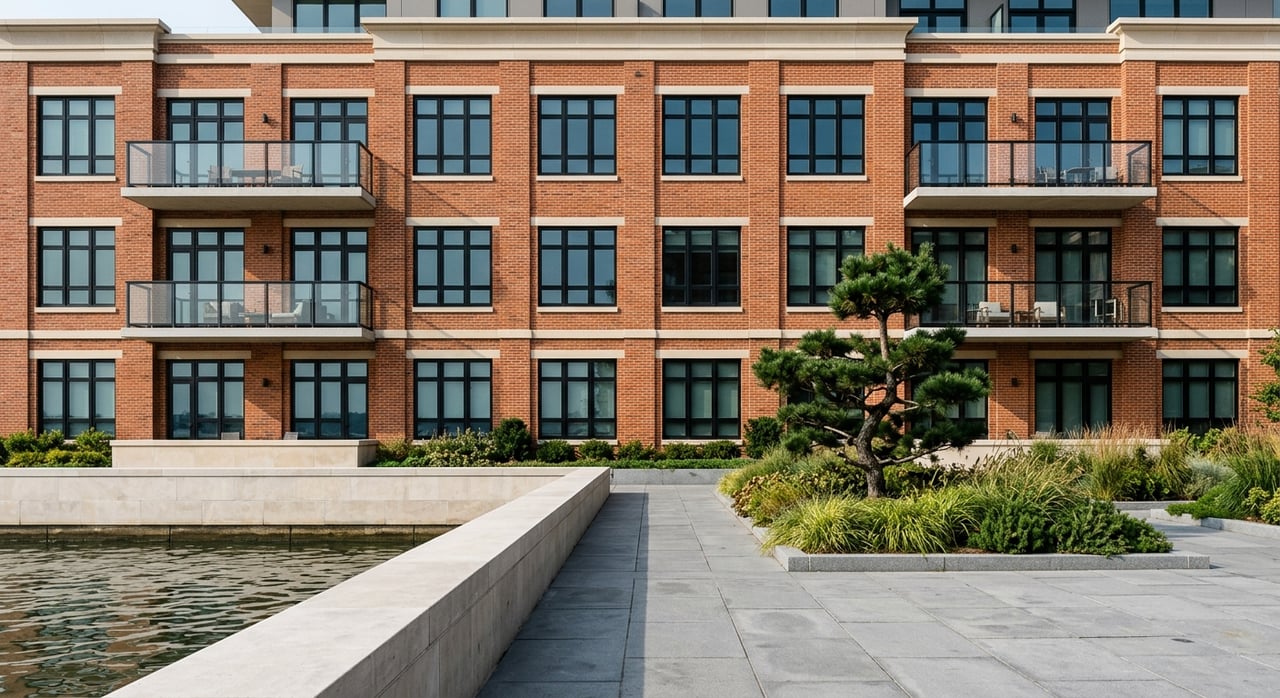
New Rochelle offers both older garden-style co-op complexes and newer or converted condo developments, including projects near the downtown transit hub and the Sound Shore. The mix appeals to buyers seeking value and convenience.
Commute is a major driver. New Rochelle is a Metro-North hub on the New Haven Line. Depending on express or local service, typical travel time to Manhattan is roughly 30 to 50 minutes. Check current times on Metro-North Railroad schedules.
If you want modern amenities and flexible rental rules, a newer condo may stand out. If you prioritize a lower purchase price with bundled costs, an established co-op might fit. The right choice depends on your goals, budget, and timeline.
Board approval and rules
Co-op approvals
Buying a co-op adds a formal review step. You prepare a detailed board package with financial statements, tax returns, reference letters, and more. After review, the board typically conducts an interview. Boards often focus on debt-to-income, post-closing liquidity, employment stability, and references. They can accept or reject, subject to fair housing laws.
Common restrictions include limits on subletting, defined pet rules, and clear renovation procedures. In many older Sound Shore garden co-ops, subletting can be conservative, which matters if you plan to rent the unit in the future.
Condo approvals
Condo purchases usually do not require a board interview. The HOA may ask for purchaser information for records and will share governing documents and budgets. Rules still apply, but enforcement is through fines, liens, or litigation rather than pre-purchase approval. Subletting is often more permissive than in co-ops, though some condos set limits.
Bottom line: co-ops involve deeper up-front scrutiny and more restrictive rental policies. Condos are typically more flexible, but always review the actual building documents.
Financing differences in Westchester
What to expect
Condos are usually financed with conventional mortgages if the building meets lender and agency standards. Down payments can be as low as 5 to 10 percent for qualified borrowers, depending on the loan program and project eligibility.
Co-ops use a share loan secured by your stock certificate and proprietary lease. Fewer lenders offer these, and many buildings expect higher down payments, often 20 to 30 percent or more, plus healthy post-closing reserves.
FHA, VA, and agency rules
FHA and VA loans have specific condo project approval requirements. You can review the basics under HUD’s condominium project requirements. Co-op financing through these programs is more limited and typically requires project-level approval, which is less common. When using conventional loans, lenders also check project eligibility for condo buildings.
Local lending tips
In Westchester, many buyers turn to regional banks or NYC lenders experienced with co-op share loans. If you are considering a co-op, connect early with a lender familiar with Westchester buildings and their board expectations.
Closing timelines: what to expect
Condos
Most condo deals follow a familiar path: contract, mortgage underwriting, title, and closing. Without a board interview, many condo transactions can close in about 30 to 60 days, depending on your lender and the title process.
Co-ops
Co-op closings add time for the board package, board review, and an interview. You will gather detailed documents, submit them by management deadlines, and wait for scheduling. Plan for roughly 60 to 90 days from contract to closing, though timing varies by building and how quickly the board meets.
If you have a fixed move date, build in a buffer for co-op board schedules and holidays.
Monthly costs: maintenance vs taxes
Co-op maintenance typically covers the building’s mortgage, property taxes at the building level, common insurance, staff, and sometimes heat or hot water. Your monthly bill is bundled, which some buyers find predictable. However, buildings can levy assessments for capital projects.
Condo owners pay common charges for building services and reserves, and they pay their own property taxes directly. In Westchester, property taxes are a meaningful part of your budget, so include them when comparing total monthly costs.
For both product types, review building financials, reserves, insurance, and any history of assessments or litigation before you commit.
Pros and cons at a glance
Co-op advantages
- Often lower purchase price than comparable condos in older complexes
- Bundled monthly costs that may include taxes and some utilities
- Strong board standards that can support building maintenance and stability
Co-op disadvantages
- Board approval with a detailed package and interview
- Narrower lender options and higher down payment expectations
- Tighter sublet rules, which limit rental flexibility
- Potential for assessments if building reserves are low or projects are pending
Condo advantages
- Deeded ownership and generally simpler approvals
- Broader financing options and often lower minimum down payments
- Easier to rent or resell, depending on building rules
Condo disadvantages
- Separate property tax bills that can increase monthly out-of-pocket costs
- Higher HOA fees in some newer or amenity-rich buildings
- HOAs can still levy assessments and enforce rules
New Rochelle buyer checklist
Before you write an offer, gather these items and questions:
- Financing
- Condo: confirm mortgage pre-approval and any project eligibility requirements.
- Co-op: secure a share loan pre-approval from a lender experienced with Westchester co-ops.
- Building due diligence
- Request the co-op board package checklist or the condo resale/estoppel documents.
- Review 2 to 3 years of budgets and audited financials, reserve studies, and insurance certificates.
- Ask about underlying mortgages or sponsor loans, delinquencies, and any pending or recent assessments.
- Read the rules on subletting, pets, parking, renovations, and move-in procedures.
- Taxes and costs
- Verify the property tax assessment and how it flows into monthly carrying costs.
- For condos, confirm tax bills and any abatements. For co-ops, understand what maintenance covers.
- Lifestyle and logistics
- Check your commute on Metro-North Railroad schedules.
- Confirm parking availability and guest parking rules, which matter in many Sound Shore neighborhoods.
- Closing team and timing
- Hire an attorney who routinely closes Westchester co-op and condo transactions.
- If pursuing a co-op, build extra time for board review and interviews.
Which one fits your plan?
If you want flexible rental options, broader financing choices, and deeded ownership, a condo may be the better match. If you prefer a lower entry price with bundled monthly costs and you are comfortable with a board process, a co-op can be a smart value play. Either way, the best decision starts with clear goals, a realistic timeline, and a close read of the building’s financial health and rules.
If you want a steady, low-stress path to the right home, let’s talk. With legal training, local expertise, and a vetted lender and attorney network, Jennifer Fischman can help you compare buildings, understand board requirements, and negotiate the details that matter.
FAQs
Can you use an FHA loan for a New Rochelle condo or co-op?
- Condos may be eligible if the project meets FHA approval criteria, while co-op FHA financing is more limited and usually requires project-level approval. Review HUD’s condominium project requirements and confirm eligibility with your lender.
How long do co-op board approvals take in New Rochelle?
- Many co-op purchases take about 60 to 90 days from contract to closing because you must prepare a board package, await review, and complete an interview. Timelines vary by building and board meeting schedules.
Are sublets typically allowed in New Rochelle co-ops?
- Subletting is often restricted or limited in older Sound Shore co-ops, though policies vary by building. Always read the proprietary lease, house rules, and any sublet policy before you commit.
What down payment is common for Westchester co-ops vs condos?
- Co-ops frequently expect 20 to 30 percent or more plus post-closing reserves, while some condo loans allow 5 to 10 percent down for qualified buyers if the project meets lender and agency standards.
Is a condo easier to resell quickly in New Rochelle?
- Condos are often easier to finance and market to a wider buyer pool, which can help resale, but results depend on the specific building’s finances, rules, location, and condition.